Getting a quote for tree removal sounds simple at first. You call a company, describe the tree, and wait for a price. In reality, a reliable estimate depends on much more than the height of the tree or how big it looks from the street.
If you want a quote that is realistic, clear, and less likely to change later, it helps to know what your arborist is looking for. The more complete the information, the easier it is for a professional to assess the work, plan the safest approach, and explain the cost with confidence.
Why Tree Removal Quotes Can Vary So Much
Many homeowners are surprised when one company gives a much different number than another. That usually happens because not every estimate is based on the same level of detail.
A tree removal job is not priced by size alone. A smaller tree in a hard-to-reach backyard can sometimes cost more than a larger tree in an open front yard. Access, safety risks, nearby structures, power lines, trunk condition, and cleanup needs all affect the final quote.
That is why it is important to avoid comparing prices without understanding what is included. A low number may leave out debris hauling, stump grinding, or the extra labor needed for a complicated removal.
The Key Details Your Arborist Needs
To give an accurate estimate, your arborist needs a clear picture of the tree and its surroundings. Start with the basics, such as the type of tree if you know it, its approximate height, and whether it is alive, damaged, leaning, or visibly decaying.
It also helps to mention where the tree is located on the property. Is it close to your home, fence, driveway, garage, or utility lines? Is it hanging over a neighbor’s yard? These details matter because they affect the equipment, crew size, and safety planning involved in the tree removal process.
Access is another major factor. Let the company know whether they can get heavy equipment into the yard, whether there is a narrow gate, or whether the work area is on a slope. Obstacles like retaining walls, garden beds, sheds, and septic systems can also change how the job is handled.
Photos Can Make a Big Difference
One of the easiest ways to improve the accuracy of a quote is to send good photos. Clear images from different angles can help an arborist spot issues that are hard to explain over the phone.
Try to include one full shot of the tree, one showing the base of the trunk, and a few that show what is nearby. If there are broken limbs, visible cracks, fungus, hollow areas, or storm damage, take close-up photos of those too.
Photos are helpful, but they do not always replace an on-site visit. Some trees look stable in pictures and turn out to be structurally unsafe when inspected in person. Hidden decay, root problems, and weight distribution are often easier to evaluate face-to-face.
Questions You Should Ask During the Estimate
A quote should do more than give you a number. It should help you understand the scope of the work. Ask whether cleanup and hauling are included, whether the crew will remove all wood and limbs, and whether stump grinding is part of the price or a separate service.
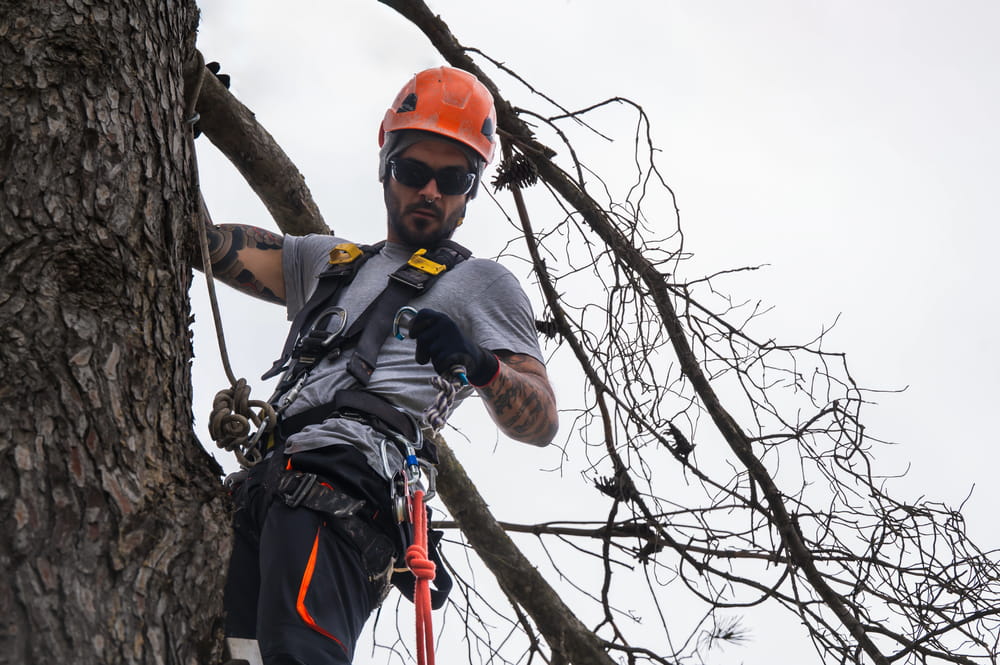
You should also ask how the company plans to handle safety. If the tree is near your roof or utility lines, you want to know whether they will climb it, use a crane, or bring in specialized equipment. A professional should be able to explain the plan in a way that makes sense to you.
It is also smart to confirm insurance coverage and whether permits may be needed. A quality company will not avoid these questions. In fact, they should expect them.
Why In-Person Assessments Often Lead to Better Quotes
Phone estimates can be useful for a rough range, but an on-site visit usually leads to a more dependable number. That is because tree removal can involve hidden challenges that are impossible to measure from a quick description alone.
An arborist may notice weak limb structure, a split trunk, limited drop zones, or unstable ground conditions that affect how the work must be done. These are the kinds of details that protect both your property and the crew doing the job.
If a company takes time to inspect the tree carefully, that is often a good sign. It shows they are thinking beyond price and focusing on safe, complete, professional work.
Be Careful With Quotes That Sound Too Good
Everyone wants to save money, but the cheapest quote is not always the best value. If an estimate seems unusually low, ask what is included and what is not. Some companies price low to get the job and then add charges later. Others may skip proper cleanup or cut corners on safety.
A strong quote should be clear, detailed, and easy to understand. It should leave you with fewer questions, not more. In most cases, peace of mind is worth more than a bargain that creates problems later.
If you want to understand better how urgent situations can affect pricing, our next blog on Emergency Tree Removal After a Storm explains why those jobs often cost more and what homeowners should expect when fast action is needed.
Choose a Company That Values Clarity
A good estimate is not just about numbers. It reflects the quality of the company behind it. When an arborist asks thoughtful questions, explains the process clearly, and takes time to assess the job properly, that usually leads to a smoother experience from start to finish.
If you are ready to speak with a team that takes the time to carefully evaluate your property, CMJ Tree Service offers professional tree removal with a focus on safety, honest communication, and dependable service. Reaching out early can help you get the answers you need before a small problem turns into a bigger one.