
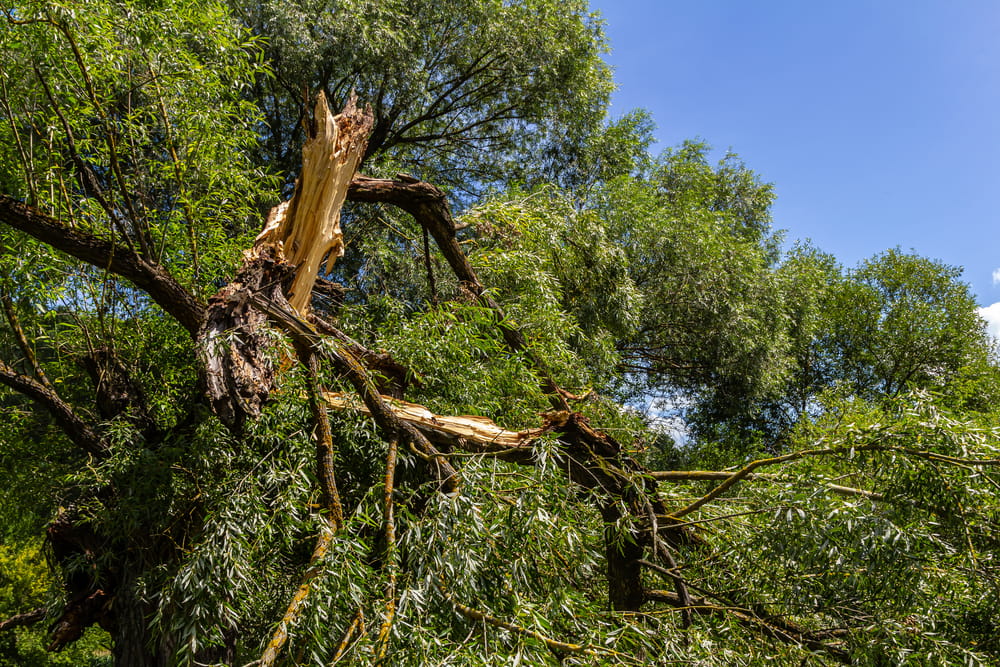
It is easy to ignore tree trimming when everything looks fine from the ground. A tree may still be standing tall, throwing shade, and adding beauty to your yard, so it might not seem urgent. The problem is that trees often develop issues gradually, and by the time those problems become obvious, they can be much harder and more expensive to fix.
Skipping regular tree trimming does not just affect appearance. It can impact tree health, property safety, and the overall condition of your landscape. When branches are left to grow unchecked, the tree may become weaker, less balanced, and more likely to cause trouble during storms or changing seasons.
Overgrown Branches Can Become a Safety Hazard
One of the first concerns with neglected trees is safety. Branches that grow too long or too heavy can become unstable over time. Even if they seem strong, they may break without much warning during high winds, heavy rain, or simple seasonal stress.
A falling limb can damage a roof, hit a parked car, block a driveway, or create a dangerous situation for anyone walking nearby. Lower branches can also hang over sidewalks, entrances, or outdoor spaces and become an obstacle. In some cases, trees that are not maintained properly may begin growing too close to utility lines, which can create a much more serious risk.
This is one of the biggest reasons regular tree trimming matters. It helps catch those hazards early, before they turn into emergencies.
Trees Can Start to Grow in Unhealthy Ways
When a tree is never trimmed, it may begin to grow unevenly. Some limbs will stretch farther than others, crowded branches may compete for space, and weak growth patterns can develop without anyone noticing. Over time, this can affect the tree’s structure and make it more vulnerable to splitting or stress.
Crowded canopies can also reduce airflow and limit the amount of sunlight reaching the inner parts of the tree. That can create an environment where moisture lingers longer than it should, which may increase the risk of decay or disease.
Tree trimming helps remove excess growth and guides the tree into a healthier shape. Without it, the tree often has to carry unnecessary weight and strain.
Dead or Damaged Limbs Stay in Place Too Long
A tree does not always shed dead branches on its own. Sometimes those limbs stay in the canopy for months or even years, slowly becoming more brittle and dangerous. Cracked or damaged branches may also remain attached longer than expected, especially after storms.
When these limbs are not removed through routine tree trimming, they can become hidden risks. They might fall unexpectedly, damage healthy parts of the tree, or create entry points for pests and disease. Dead wood also affects the overall look of the tree, making the landscape feel neglected.
Removing those problem branches early is usually much easier than dealing with the damage they can cause later.
Property Damage Becomes More Likely
Trees that go untrimmed can start interfering with nearby structures. Branches may scrape against your roof, rub against siding, crowd gutters, or hang over fences. Roots and trunks are not the only parts of a tree that can affect a property; overgrown limbs can do real damage, too.
A branch brushing against the roof may not seem like a big issue at first. Over time, though, repeated contact can wear down shingles and create openings for moisture. Limbs hanging over gutters can contribute to clogs, which may lead to drainage issues around the home.
This is another reason many property owners stay consistent with tree trimming. It helps protect the space around the tree, not just the tree itself.
Pests and Disease May Become Harder to Control
Neglected trees often make it easier for pests and diseases to spread. Dead wood, crowded limbs, and poor airflow can all create conditions that attract insects or allow fungal problems to develop. Once an issue spreads deeper into the canopy, it may take more work to control it.
Trimming helps remove vulnerable or affected branches before the problem gets worse. It also makes it easier to inspect the tree and spot changes early. Without regular maintenance, signs of decline may stay hidden until the tree is in much worse shape.
If you want to keep your landscape in better condition year after year, CMJ Tree Service offers professional tree trimming that helps reduce risk and support healthier growth.
The Tree May Lose Its Shape and Appearance
Even if safety is not your first concern, appearance often changes when trees are left alone for too long. A tree that once looked full and balanced can become messy, lopsided, or overextended. Branches may droop too low, crowd nearby plants, or make the whole yard feel less maintained.
That matters more than some people realize. Trees play a big role in curb appeal, and poorly maintained growth can affect the overall impression of your property. A well-shaped tree can make a yard look cleaner and more cared for, while an overgrown one can pull attention in the wrong direction.
Tree trimming helps preserve that balance and keep the landscape looking intentional.
Small Issues Can Turn Into Bigger Expenses
One of the most frustrating parts of skipping routine care is that minor issues tend to grow into major ones. A simple maintenance visit may have prevented the need for emergency service, storm cleanup, or large branch removal later on.
When trees are ignored for too long, the work often becomes more complicated. Instead of light trimming, the tree may need heavy corrective cutting. In some cases, the damage or decline may be so advanced that removal becomes the only option.
Regular tree trimming is usually the more practical approach because it helps reduce the chance of costly surprises.
Final Thoughts
If you never trim your trees, you are more likely to deal with overgrowth, weak structure, dead limbs, property damage, and declining tree health. These issues do not always happen overnight, but they can build slowly until the tree becomes a bigger problem than expected.
Routine tree trimming helps prevent that cycle. It supports healthier growth, improves safety, and keeps your property looking better over time. Taking care of trees before problems develop is almost always easier than trying to fix the damage later.
Want to know when to schedule maintenance instead of waiting too long? Read How Often Should You Trim Your Trees? to learn what timing makes sense for healthy, well-managed trees.