
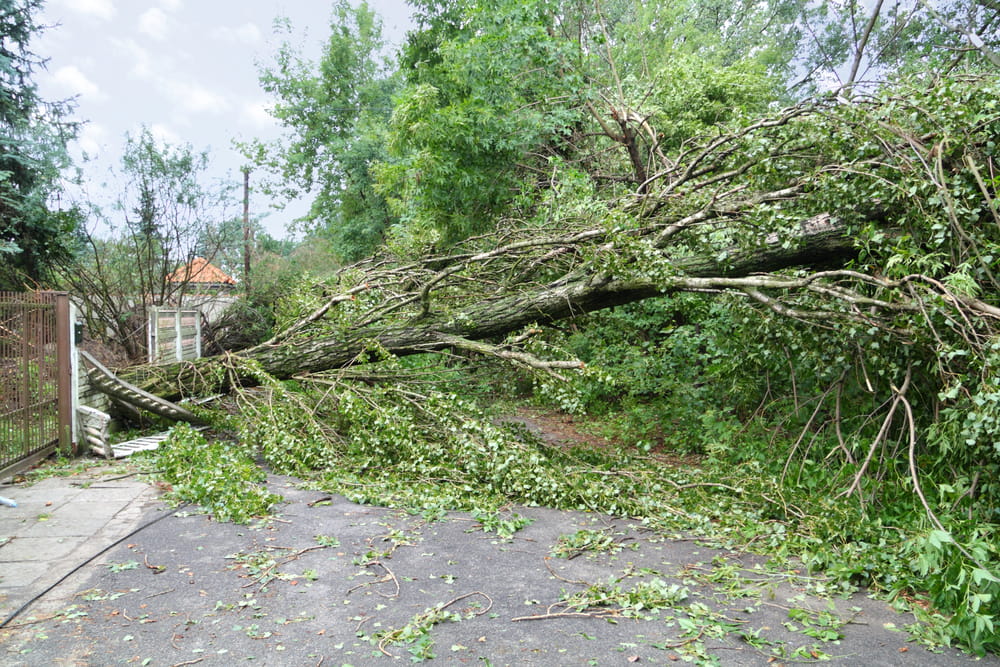
Storms can change a property in minutes. A tree that looked stable the day before can suddenly split, lean, drop major limbs, or come crashing down across a driveway, roof, or fence. In those moments, most homeowners want help fast, and understandably so. Safety comes first, and waiting too long can make the situation even more dangerous.
That urgency is one of the main reasons emergency tree removal costs more than a standard scheduled job. The work is often riskier, more time-sensitive, and much less predictable. If you have never dealt with storm damage before, it helps to know what goes into the process and why pricing can rise when conditions are unstable.
Why Emergency Tree Removal Usually Costs More
A regular tree removal job gives a crew time to plan. They can inspect the tree under calm conditions, schedule the right equipment, and complete the work during normal business hours. Emergencies are different.
After a storm, tree companies often respond to active hazards. A trunk may be cracked but still standing. Large limbs may be hanging overhead. Part of the tree may be tangled in a structure, resting on power lines, or blocking access to the home. These jobs require more caution, more coordination, and sometimes a larger crew.
Timing also affects cost. Emergency calls often happen early in the morning, late at night, on weekends, or during periods when many homeowners need help at once. When demand rises sharply after a storm, companies have to prioritize urgent calls and move quickly, which increases labor and operational costs.
The Type of Damage Changes the Price
Not all storm-damaged trees present the same level of risk. A tree that fell cleanly into an open yard is very different from one that split and landed partially on a roof. The more complicated the situation, the more effort it takes to remove the tree safely.
If the tree is twisted, under pressure, or suspended in another tree, the job becomes more dangerous. A crew may need to remove it piece by piece instead of bringing it down in a straightforward way. They may also need cranes, rigging systems, or specialty cutting techniques to prevent more damage.
Emergency tree removal pricing usually reflects the real conditions on site, not just the size of the tree. Access, hazards, nearby structures, and the stability of what is left standing all matter.
Safety Comes Before Speed
When people see a damaged tree, they often want it gone immediately. That makes sense, but professional crews cannot rush past safety steps. The first part of the job is usually an evaluation of the danger.
The arborist or removal crew needs to determine whether the tree is still moving, whether the root plate has shifted, and whether surrounding limbs or sections could fall unexpectedly. If the tree is touching utility lines, the power company may need to get involved before removal can begin.
This is also why homeowners should avoid trying to handle storm damage themselves. What looks like a simple cleanup job may involve hidden pressure points, unstable wood, or electrical hazards. In an emergency, the safest choice is to stay clear of the area and wait for trained professionals.
What to Expect When the Crew Arrives
The first thing a tree company will usually do is assess immediate risk. They may ask whether anyone is hurt, whether the tree is blocking access, and whether it is resting on a home, vehicle, or power line. Those details help them determine the urgency of the response.
Once on site, the crew will usually create a removal plan based on safety and access. In some cases, they may focus first on removing the sections that pose the biggest threat. Full cleanup may happen in stages, especially after major storms when companies are handling a high volume of calls.
You should also expect some flexibility. Emergency work is harder to predict than routine tree removal. Hidden damage, weather conditions, and access problems can affect how long the job takes or what equipment is needed.
Insurance and Documentation Matter
If a tree damages your home, garage, fence, or another structure, document everything before cleanup begins, as long as it is safe to do so. Take photos from multiple angles and contact your insurance company as soon as possible.
Ask the tree company for a written estimate and keep all paperwork related to the work. Depending on your policy, some costs related to storm damage and emergency tree removal may be covered, especially if the tree struck an insured structure. Coverage varies, so it is best to confirm details directly with your provider.
Good documentation can make the claims process smoother and help you explain what happened if questions come up later.
Why Fast, Professional Help Makes a Difference
Storm damage creates stress fast. The longer a damaged tree sits on your property, the more risk it can pose. A cracked trunk can fail. Broken limbs can fall without warning. Water damage can get worse when a tree has already impacted the roof or exterior of the home.
That is why it helps to work with a team that understands how to respond under pressure. A professional crew knows how to evaluate hazards, secure the area, and complete the job with as little added damage as possible.
If you want to understand why risky situations like this should never be handled without training, the next blog on The Dangers of DIY Tree Removal explains why trying to do it yourself can become a serious mistake.
Work With a Team You Can Trust After a Storm
Emergencies are never convenient, and they are rarely simple. What matters most is having a company that communicates clearly, shows up prepared, and puts safety first from the start.
If your property has storm damage and you need reliable tree removal from an experienced team, CMJ Tree Service is ready to help. Professional support during a stressful moment can make the cleanup process feel much more manageable, and it can help protect your property from further harm.